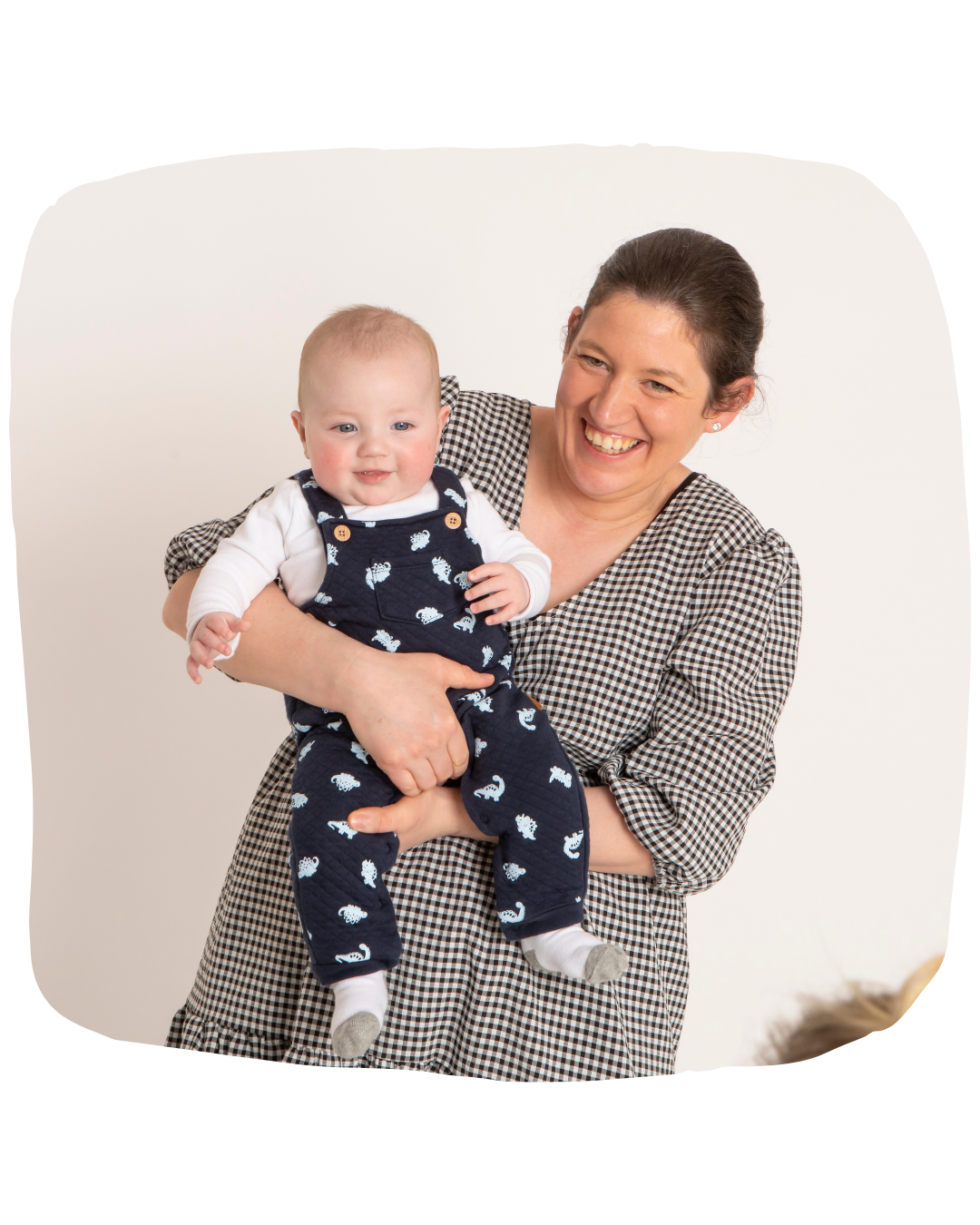
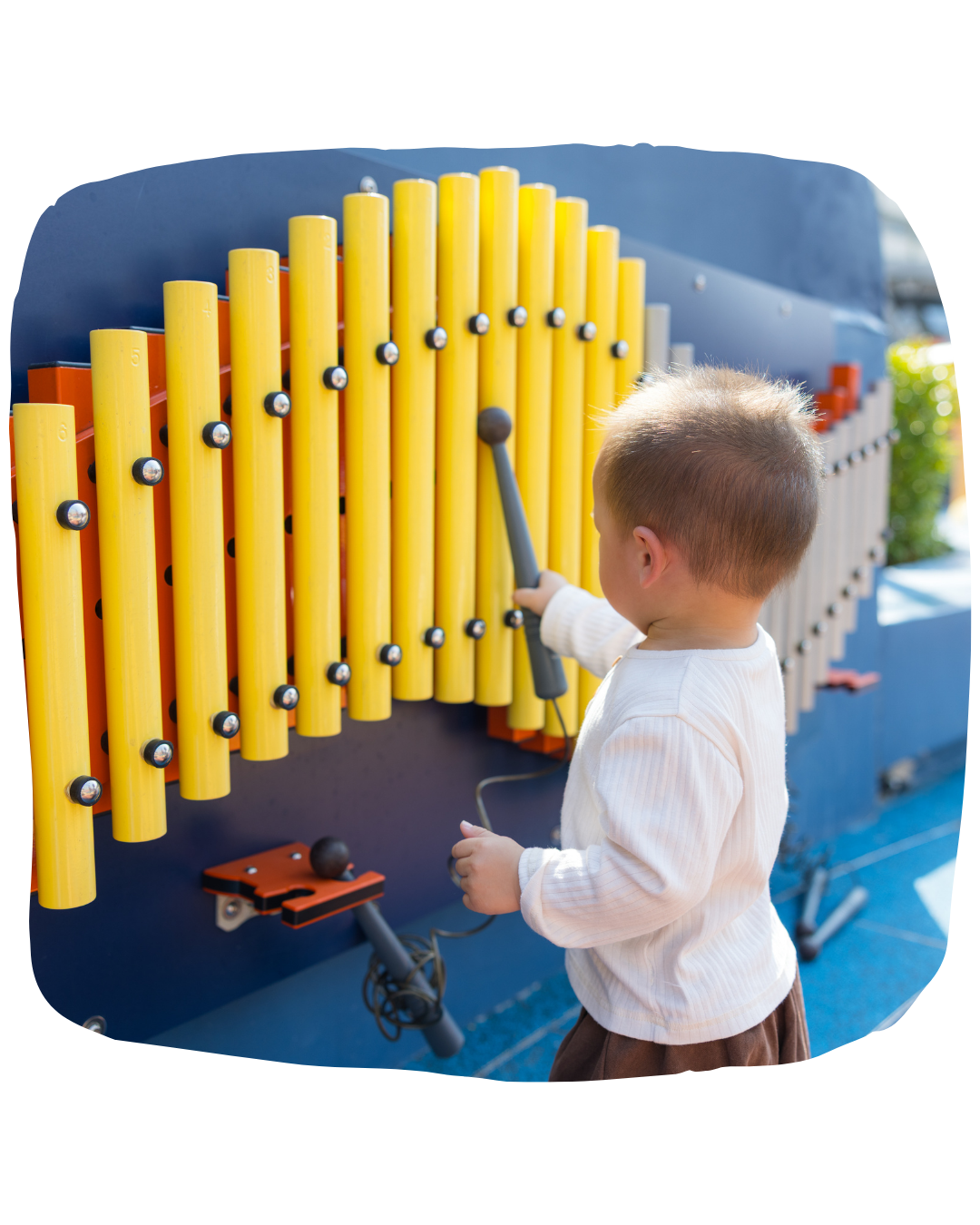
Here’s something we see week after week in Mini Maestros classes: a little one who spent the first few sessions sitting quietly in their carer’s lap, watching everything with wide eyes. Then, one day — seemingly out of nowhere — they reach for the instrument. They sing a line. They do the actions. And the room lights up.
That moment didn’t happen by accident. It happened because you kept showing up.
In a world that loves quick results and instant feedback, early childhood development doesn’t always play by those rules. The real magic — the kind that builds confident, school-ready, emotionally intelligent little people — happens beneath the surface, quietly and cumulatively, week by week.
So if you’ve ever wondered whether your child is ‘getting anything’ from class, or whether it’s worth continuing through a busy term, this article is for you.
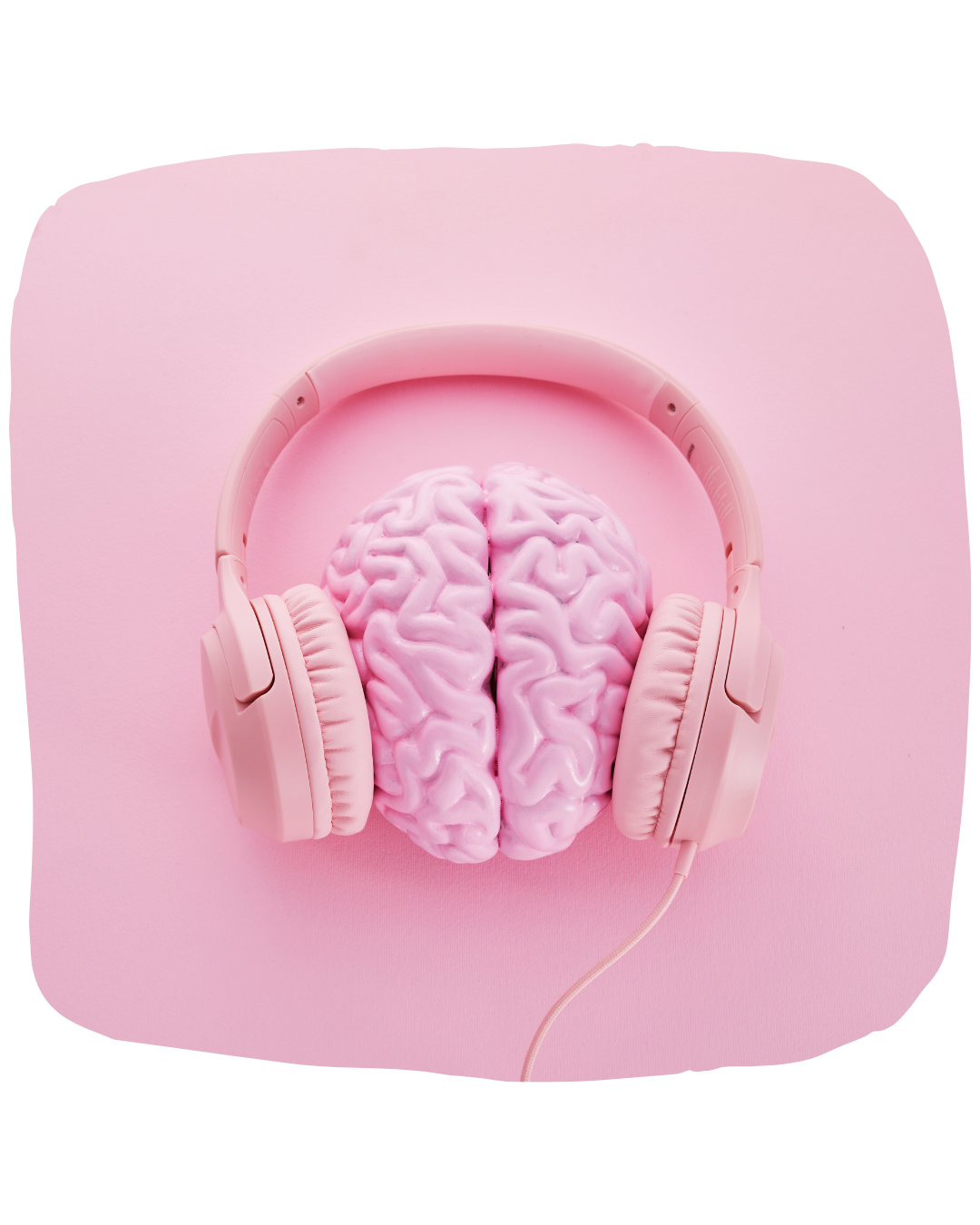
What’s Actually Happening in That Little Brain
When your child arrives at Mini Maestros each week, their brain isn’t just receiving a fun experience — it’s actively building architecture.
Dr. Anita Collins, one of Australia’s leading researchers in music and brain development, describes music education as creating a “fireworks effect” in the brain — where multiple brain networks fire simultaneously in a way that almost no other activity achieves. Each time a child sings, moves to a beat, or responds to rhythm, they’re strengthening neural pathways across language, memory, motor skills, and emotional regulation all at once.
But here’s the part that matters most for parents thinking about consistency: those pathways are built through repetition. Not one or two sessions, but the accumulation of many.
Research from the University of Southern California’s Brain and Creativity Institute confirms this — children who engage in regular, structured music activities over time show measurably faster maturation of the auditory pathway and stronger brain connectivity than children who experience music occasionally.
Reference: Children’s brains develop faster with music training, USC News
The key word is regular. Not perfect. Not always enthusiastic. Regular.
Understanding Your ‘Onlooker Learner’
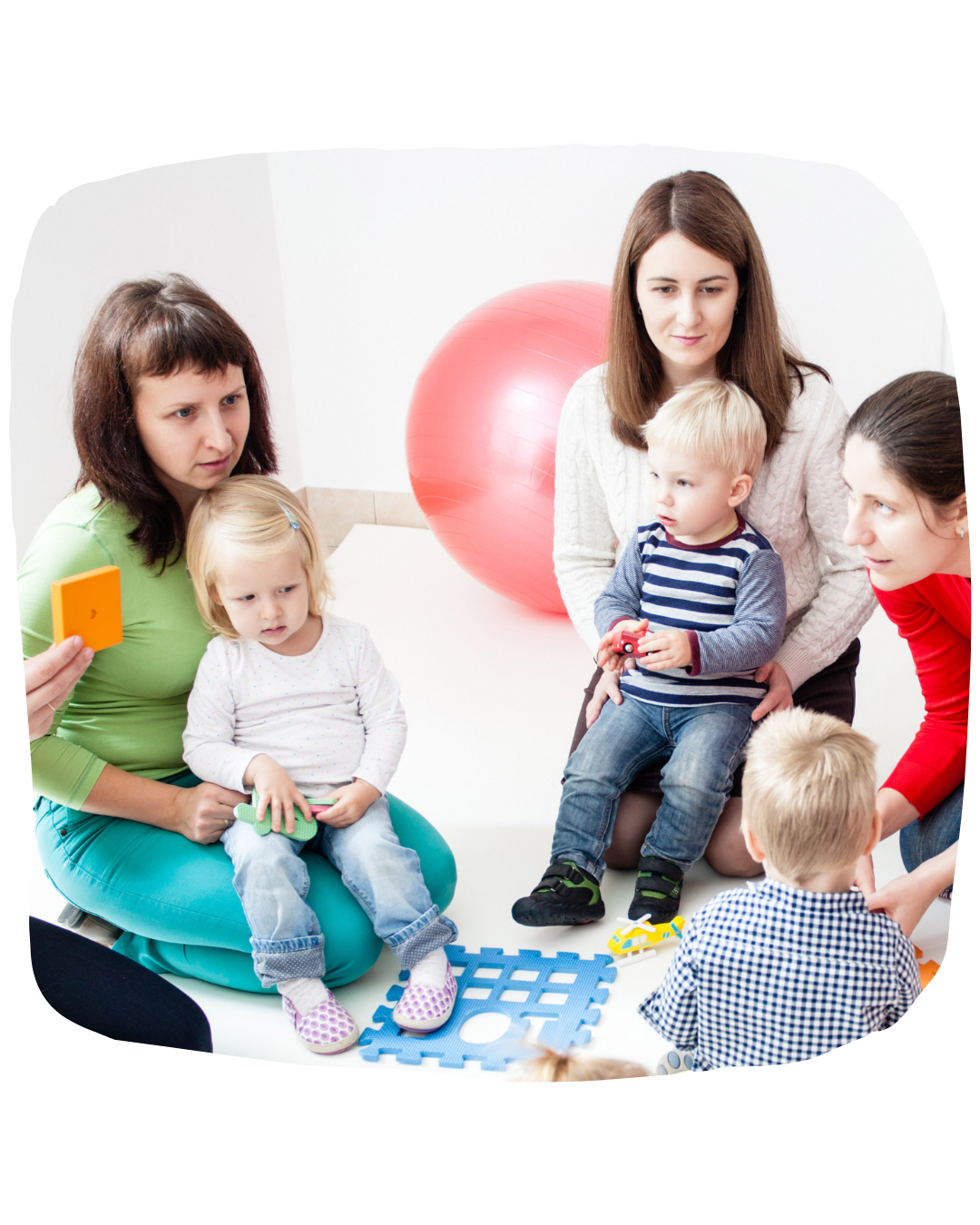
One of the most common concerns we hear from parents is: “My child just watches — they don’t really participate. Are they actually learning?”
Yes. Absolutely yes.
In early childhood education, there’s a well-recognised learning style called Onlooker Learning — where children absorb enormous amounts of information through observation before they feel safe enough to participate actively. This isn’t shyness, and it isn’t disengagement. It’s a completely valid, developmentally normal way of making sense of the world.
The giveaway? Ask a parent of a ‘quiet’ class participant how their child behaves at home. More often than not, they’re singing every song, doing every action, and performing their own little concert in the lounge room — in the safety of their own environment, where they feel fully in control.
What looks like watching is actually deeply active processing. And it requires the scaffolding of consistent attendance to build the familiarity and trust that eventually unlocks participation.
Every week you bring your child to class, you’re adding another brick to that foundation.
The Cumulative Effect: Why Term After Term Matters
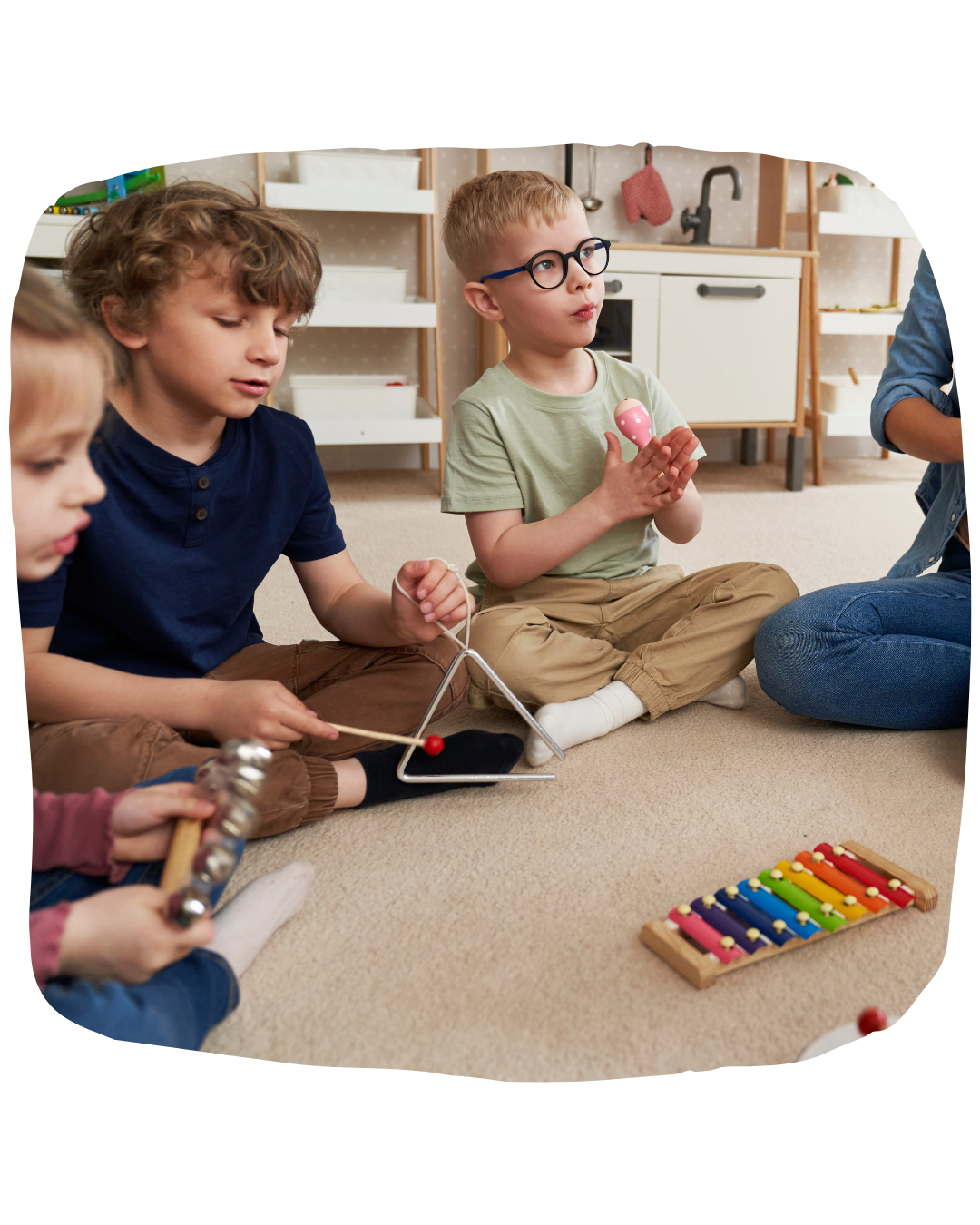
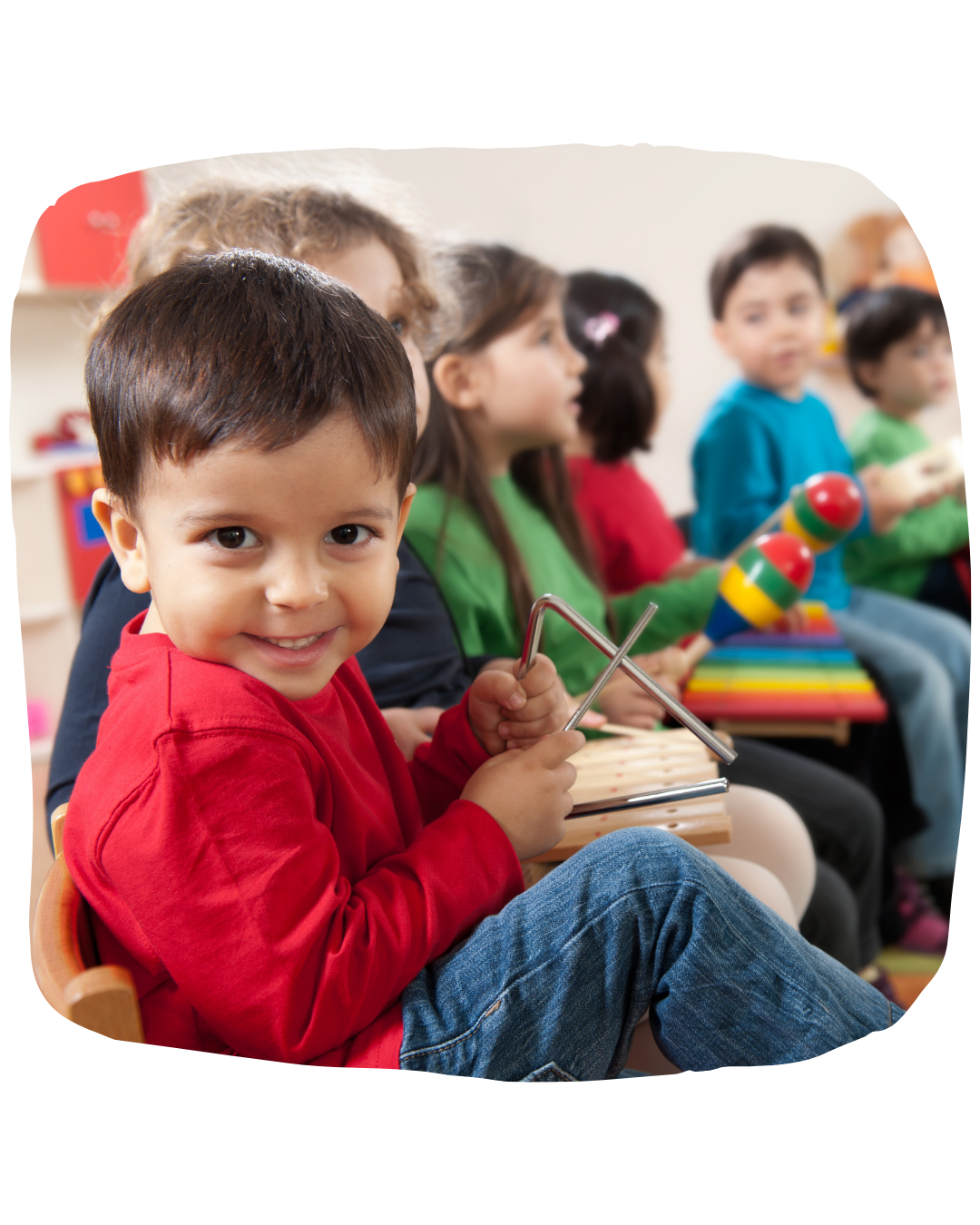
Mini Maestros is designed as a progressive, sequential program — not a series of standalone sessions. Each term builds on the one before. The activities, the songs, the instruments, the games, the class routines: these repeat and deepen deliberately, because repetition is the mechanism through which young children achieve genuine mastery.
This mirrors what we know about early language development. Children don’t learn a new word after hearing it once. They need to encounter it many times, in different contexts, before it becomes truly theirs. Music learning works in exactly the same way.
Research from Queensland’s Australian Research Council supports this. Associate Professor Kate Williams found that children who participated in consistent rhythmic movement and music programs built stronger executive function skills — including self-regulation, focus and working memory — than those with limited or inconsistent exposure. These are the exact skills that predict school readiness and early academic success.
Reference: Dancing kids achieve boosted abilities to self-regulate, Australian Research Council
In short: Term 2 isn’t starting over. It’s building on everything Term 1 quietly planted.
What Progress Actually Looks Like in 0–5s
It’s worth gently reframing what ‘progress’ looks like at this age — because it rarely looks like what we might expect.
Progress in early childhood music learning is not:
- Performing confidently in class from day one
- Singing in perfect pitch
- Sitting still for the full session
- Always wanting to participate
Progress is:
- Choosing an instrument and holding it with intention
- Responding to class routines such as packing equipment away
- Making eye contact with the teacher during an activity
- Watching other children in class
- Trying to clap or move along, even if the timing isn’t quite right yet
- Singing in the car on the way home
- Acting out a Mini Maestros activity at home
- Asking to come back next week
These are the real milestones. And they happen because you kept the rhythm of showing up.
Keeping the Music Going at Home
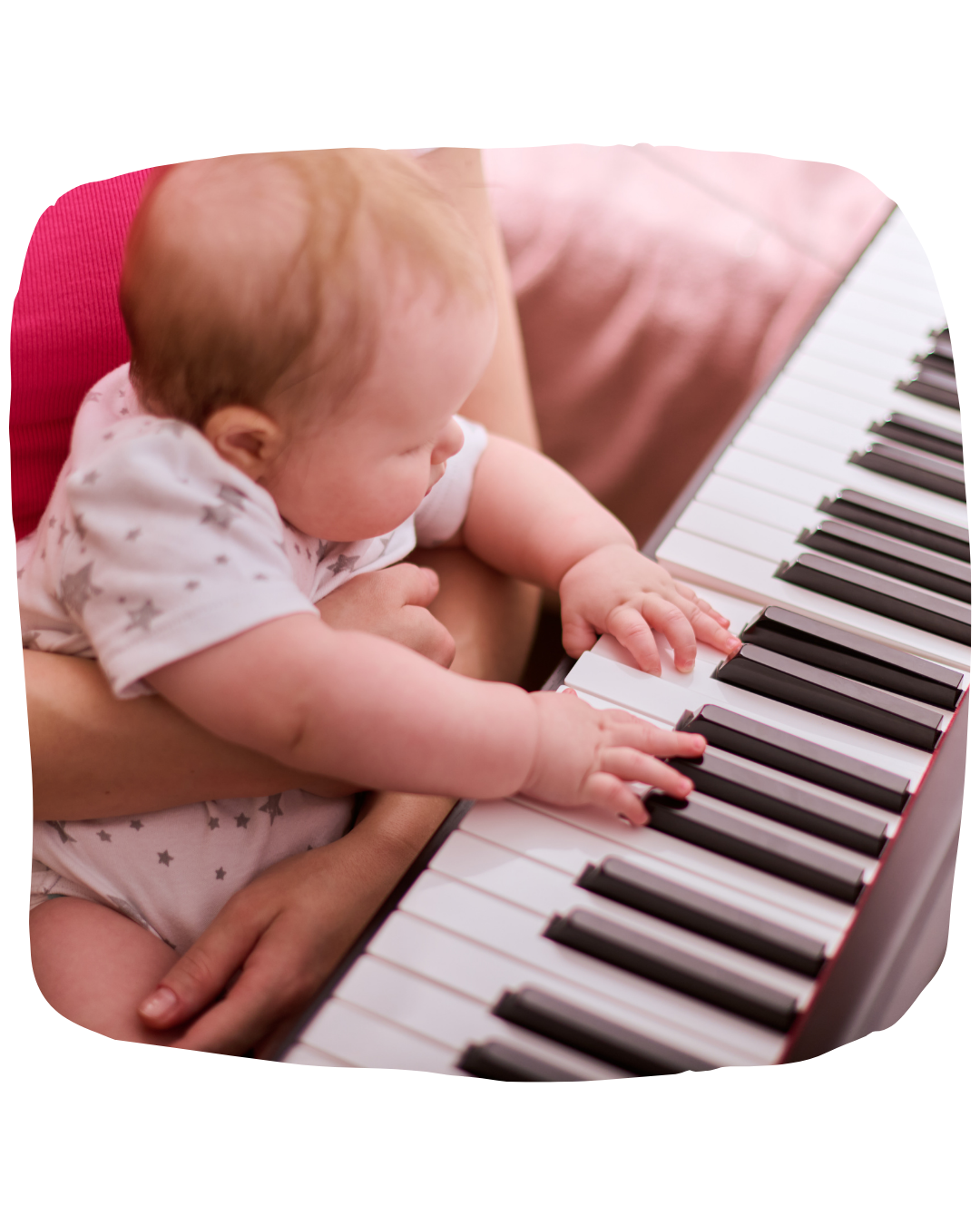
Consistency doesn’t only live in the classroom. One of the most powerful things you can do between sessions is simply bring the music home. And the good news? As an enrolled Mini Maestros family, you already have everything you need. All enrolled children receive access to our Lessons On-Demand — a full term of expert-led music and movement lessons designed to complement your weekly class. A new lesson unlocks each week, giving your child something fresh to look forward to between sessions. Because little ones learn through repetition, revisiting familiar songs and activities at home is one of the best things you can do to reinforce what’s being built in class — and you can replay lessons as many times as your child wants. All you need is a screen and a little floor space.
Here are a few other easy ways to extend the learning in your everyday routine:
- Sing in the car. Even singing a couple of the Mini Maestros songs on the way to childcare reinforces the neural pathways being built in class.
- Make bath time musical. Songs about water, splashing, and parts of the body connect movement, language, and rhythm all at once.
- Use music for transitions. A packing up song or a lullaby helps children regulate their emotions during the moments that can be hardest for little ones.
- Follow their lead. If your child starts humming something they heard in class, hum it back. That echo of recognition is deeply affirming for a small person.
You don’t need to be a musician. You just need to show up — in class, in your lounge room, and in those small everyday moments.
A Note to Every Parent Who Has Ever Wondered ‘Is This Working?’
It’s working.
Early childhood music educators have known for decades what neuroscience is now confirming: the benefits of regular music engagement in the early years are profound, lasting, and reach far beyond the music itself. Language, confidence, emotional resilience, focus, social skills, creativity — all of these are being quietly nurtured every time your child steps into the music classroom.
The evidence is compelling. And so is what Mini Maestros teachers see with their own eyes, week after week, class after class, term after term.
Your child is on a journey. And every week you bring them to class is another step along the way.